
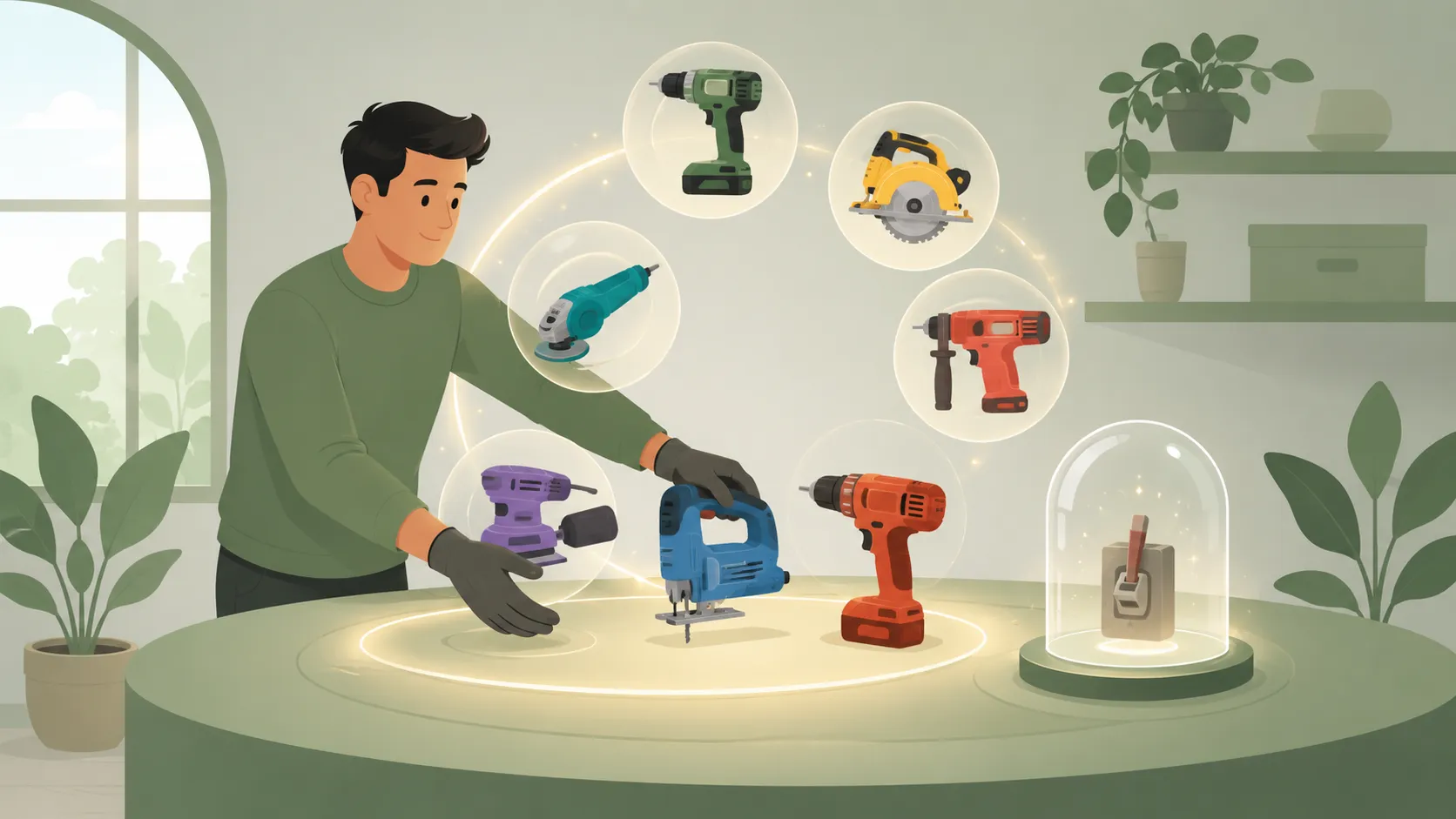
Power tools have transformed construction sites, workshops, garages, and home improvement projects by making difficult tasks faster and more efficient. A drill can bore through materials in seconds, a circular saw can cut with incredible precision, and a grinder can shape metal with ease. Yet the same power that makes these tools valuable also makes them potentially dangerous. Safety organizations such as the Occupational Safety and Health Administration (OSHA) consistently emphasize that improper use of hand and power tools can result in severe injuries, including lacerations, amputations, electric shocks, eye injuries, and even fatalities. Many accidents occur not because workers lack knowledge, but because they become comfortable with familiar tools. Familiarity can create a false sense of security. A person who has used a drill thousands of times may skip a safety check or overlook a damaged cord. Another worker may assume a quick cut does not require eye protection. These small decisions can have major consequences. Safety is not simply about following rules; it is about recognizing that every power tool contains enough force to cause life-changing injuries within a fraction of a second.
The Real Cost of Power Tool Accidents
The consequences of power tool accidents extend far beyond immediate injuries. Medical bills, rehabilitation costs, lost wages, project delays, and emotional trauma can affect workers and families for years. A single accident may prevent someone from returning to the same profession. Employers also face increased insurance costs, productivity losses, and potential regulatory penalties.
OSHA notes that improper use and maintenance of hand and power tools remain significant workplace hazards. Workers who fail to recognize risks become more vulnerable to injury. Think of safety as an investment rather than a restriction. Every minute spent inspecting equipment or activating safety features can save months or years of hardship later. The best professionals understand that productivity and safety are not competing goals; they work together.
What Should Never Be Engaged While Using Power Tools?
One of the most important principles in power tool safety is understanding what should never be engaged unnecessarily. In most situations, lock-on triggers, bypassed safety switches, disabled guards, or overridden safety mechanisms should never be engaged unless specifically required by the manufacturer and the task being performed. OSHA specifically warns workers to avoid accidental starting and to disconnect tools when they are not actively being used. Safety devices exist because manufacturers have analyzed countless injury scenarios. Removing or bypassing them is similar to removing the brakes from a vehicle because they occasionally slow you down. It may seem convenient in the moment, but the risk becomes dramatically higher. Workers should never tape down triggers, disable blade guards, or modify safety features to save time.
Triggers, Switches, and Lock-On Functions
Many power tools include lock-on features that keep the tool running without constant trigger pressure. While useful in specific applications, these functions can become dangerous if engaged carelessly. A dropped tool with an active lock-on feature may continue operating unexpectedly. A worker who loses grip could struggle to regain control.
Constant-pressure switches are designed to stop the tool when the operator releases the control. Safety standards often require these features because they reduce the likelihood of runaway equipment. Operators should always understand the specific controls on their equipment before beginning work and avoid engaging functions that reduce immediate control over the tool.
When Safety Mechanisms Must Remain Active
Safety guards, trigger locks, emergency shutoffs, and protective covers should remain active whenever possible. These mechanisms are not optional accessories. They serve as barriers between the operator and potentially catastrophic injuries.
Experienced tradespeople often describe safety mechanisms as silent partners. You may never notice them during routine work, but when something goes wrong, they can make the difference between a close call and a trip to the emergency room. Removing or disabling these systems increases exposure to rotating blades, cutting edges, flying debris, and electrical hazards.
The Importance of Avoiding Accidental Startup
Accidental startup remains one of the most common and preventable causes of power tool injuries. OSHA specifically advises workers not to carry tools with fingers on switches and to disconnect tools before servicing or changing accessories. Imagine picking up a circular saw that unexpectedly starts spinning because the trigger was accidentally pressed. The reaction time available is measured in milliseconds. In many cases, the operator has no opportunity to correct the situation before injury occurs. Accidental startups often happen during transportation, maintenance, cleaning, or storage rather than during actual cutting or drilling operations.
How Unexpected Activation Happens
Unexpected activation can result from several factors. Triggers may be pressed accidentally while carrying tools. Damaged switches may malfunction. Power restoration after an outage can cause some improperly configured equipment to restart unexpectedly. Extension cord issues may also contribute to electrical hazards. Human behavior plays a significant role as well. Workers rushing to finish a task may skip disconnecting the power source before adjusting blades or bits. This shortcut might save thirty seconds but creates an enormous safety risk. The safest mindset is to assume every tool can start unexpectedly until verified otherwise.
Preventive Measures Before Handling Tools
Preventing accidental startup begins with simple habits. Always unplug corded tools before adjustments. Remove batteries from cordless tools during maintenance. Verify that switches are in the off position before connecting power sources. Keep fingers away from triggers while carrying equipment.
Professional users often follow a routine similar to pilots conducting a pre-flight inspection. The process becomes automatic over time. This consistency significantly reduces the likelihood of dangerous mistakes and creates a safer work environment for everyone nearby.
Situations Where Safety Locks Should Stay Active
Safety locks are often misunderstood. Some operators view them as obstacles rather than protective features. In reality, safety locks are designed to prevent unintended activation and should remain engaged whenever the tool is not actively being used.
During Transportation
Transporting tools from one location to another creates opportunities for accidental activation. Tools may bump against ladders, workbenches, vehicles, or other equipment. A locked trigger provides an additional layer of protection during these movements.
Think of a safety lock like the parking brake in a vehicle. Even if the ground appears flat, the brake prevents unexpected movement. Safety locks function similarly by preventing unexpected operation when conditions change unexpectedly.
During Blade or Bit Changes
Changing blades, drill bits, sanding discs, or cutting accessories exposes operators to direct contact with hazardous components. OSHA recommends disconnecting tools before servicing or changing accessories. Keeping safety locks active during these procedures reduces the possibility of accidental startup. This simple step can prevent severe hand injuries and helps establish a disciplined approach to tool maintenance.
Loose Clothing and Other Overlooked Hazards
When people think about power tool injuries, they often focus on blades and electrical hazards. Yet loose clothing, jewelry, long hair, and accessories can be equally dangerous. OSHA safety guidance warns that loose-fitting apparel can become caught in moving parts.
Clothing, Jewelry, and Hair Risks
Rotating tools do not distinguish between a workpiece and a loose sleeve. A spinning drill chuck can grab fabric almost instantly. Necklaces, rings, bracelets, watches, and untied hair can become entangled in machinery before the operator realizes what is happening.
Reddit discussions among experienced tradespeople frequently highlight real-world incidents involving gloves, long hair, and clothing becoming caught in rotating equipment. These stories reinforce a common lesson: even experienced users remain vulnerable when basic precautions are ignored.
Hidden Dangers Many Workers Ignore
Other overlooked hazards include damaged cords, poor footing, cluttered workspaces, and improper tool storage. OSHA advises keeping cords away from sharp edges, maintaining clean work areas, and removing damaged tools from service immediately. Small hazards often combine to create larger accidents. A worker may trip over a cord while operating a saw. A cluttered bench may force awkward body positioning. A poorly maintained tool may fail unexpectedly. Recognizing these interconnected risks is essential for comprehensive safety.
Why Distractions Around Power Tools Are Dangerous
Distractions and power tools are a dangerous combination. Unlike many everyday activities, power tool operation leaves little room for divided attention. A momentary glance at a phone or a brief conversation can coincide with a critical cutting or drilling action.
Community discussions among tradespeople consistently emphasize the dangers of complacency and distraction. Experienced workers often note that accidents occur when attention drifts or when a task becomes so familiar that safety checks are skipped.
Mental Focus as a Safety Tool
Focus should be viewed as personal protective equipment for the mind. Safety glasses protect your eyes, gloves protect your hands in appropriate situations, and concentration protects decision-making. When fatigue, stress, or emotional distractions interfere with attention, risk increases significantly.
Professional operators frequently pause before beginning a task to mentally review the procedure. This habit creates a deliberate transition from thinking about other concerns to focusing entirely on the work at hand. The result is better performance and fewer mistakes.
Common Mistakes That Lead to Serious Injuries
Most serious injuries stem from predictable behaviors rather than random events. Understanding these common mistakes helps workers identify and eliminate risky habits before accidents occur.
| Common Mistake | Potential Consequence |
|---|---|
| Disabling safety guards | Severe cuts and amputations |
| Using damaged cords | Electric shock and fire hazards |
| Wearing loose clothing | Entanglement injuries |
| Skipping inspections | Equipment failure |
| Working while distracted | Loss of control |
| Operating in poor lighting | Misjudgment and contact injuries |
Ignoring Safety Guards
Guards exist because they work. Removing a guard may improve visibility or access temporarily, but it also removes a critical layer of protection. OSHA and NIOSH guidance consistently emphasize guarding moving parts and maintaining protective equipment. Workers sometimes justify guard removal by claiming they have performed a task safely for years. This reasoning overlooks an important fact: past success does not eliminate future risk. Every injury-free shortcut encourages continued risk-taking until an accident eventually occurs.
Using Damaged Equipment
A damaged tool should never remain in service. Frayed cords, cracked housings, worn switches, and malfunctioning guards create unnecessary hazards. OSHA recommends removing damaged portable electric tools from use and tagging them appropriately. Professional environments often require inspections before each shift. While this may seem repetitive, these checks frequently identify problems before they lead to injuries. Prevention is always less expensive and less painful than recovery.
Safe Handling Practices Before Switching On
Safe operation begins long before the trigger is pressed. Preparation is where most accidents are either prevented or set into motion.
Essential Pre-Use Inspection Checklist
Before turning on any power tool, verify:
- The tool is free from visible damage.
- Guards and safety devices function correctly.
- Cords, plugs, and batteries are in good condition.
- The workspace is clean and adequately lit.
- Appropriate personal protective equipment is available.
- The correct accessory is installed securely.
- Nearby individuals are at a safe distance.

Marcel Voss is a 35-year-old American blogger from Madison, Wisconsin, specializing in electrical systems, DIY projects, and technical explainers. With extensive experience writing educational web content, he focuses on transforming complex topics into practical guides for everyday readers. Through his work with electricalsystems.xyz, he emphasizes factual research, credibility, and user-friendly writing that supports long-term reader confidence.