
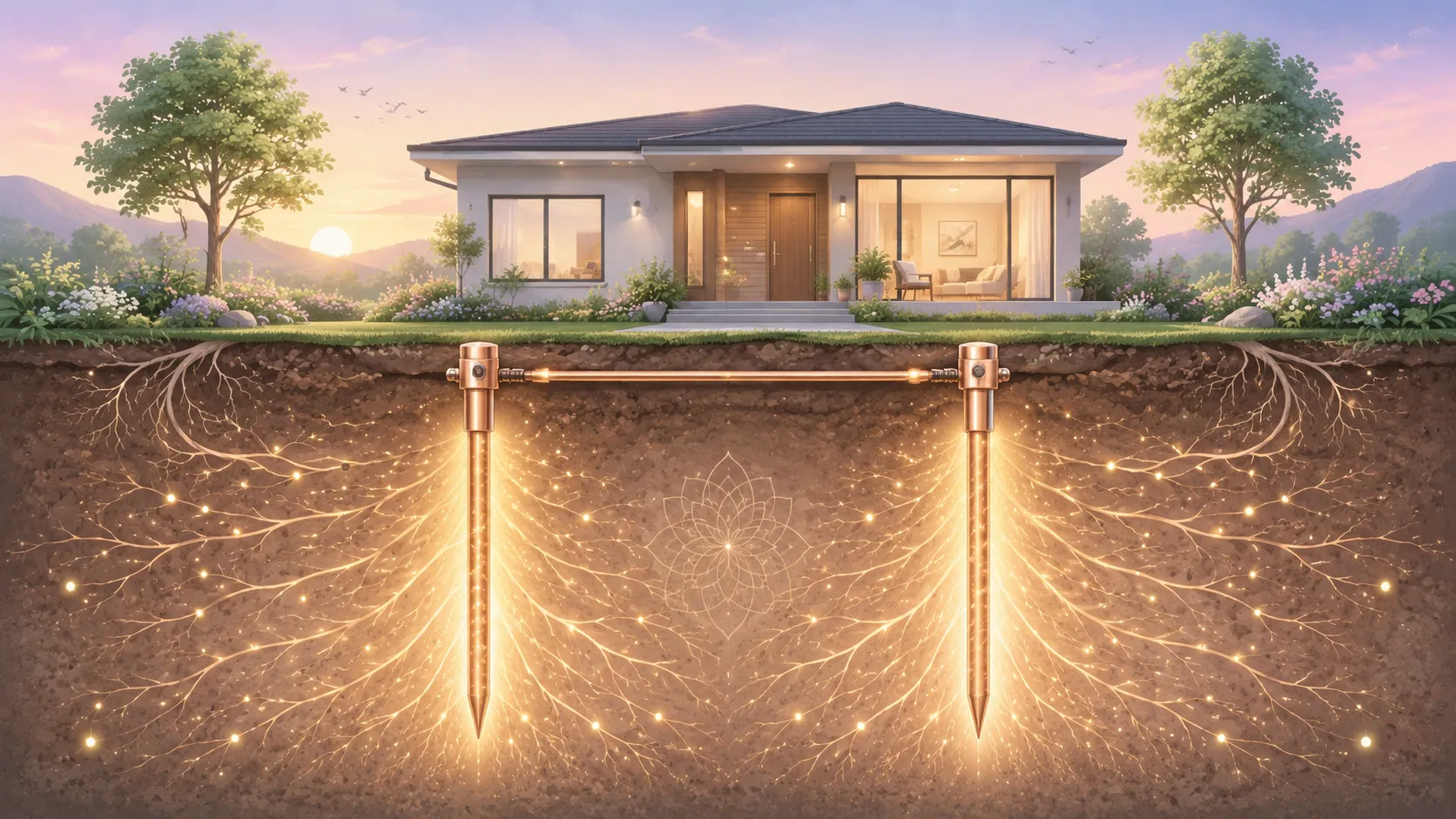
When homeowners upgrade to a 200 amp electrical service, one question appears again and again: How many ground rods are required? It sounds simple, but the answer involves electrical codes, soil conditions, resistance testing, and safety considerations that go far beyond merely driving a metal rod into the earth.
Ground rods form a critical part of a home’s grounding electrode system. Their purpose is to create a connection between the electrical system and the earth, helping stabilize voltage and reduce the risk of electrical hazards. Modern electrical codes have evolved significantly, and many electricians now install two ground rods by default because it is often the most practical and cost-effective solution.
The grounding system is one of those electrical components homeowners rarely see and almost never think about. Yet it quietly works every day to help protect appliances, electronic devices, and the people living inside the home. A properly installed grounding system can mean the difference between a safely cleared electrical fault and a dangerous situation that damages equipment or creates shock hazards.
This guide explores how many ground rods are typically needed for a 200 amp service, why grounding matters, how resistance levels affect requirements, and what inspectors look for during evaluations.
Understanding the Purpose of Ground Rods
Ground rods are often misunderstood. Many people assume they exist solely to direct lightning into the ground. While lightning protection is one benefit, their role is much broader and more important. Ground rods are part of a grounding electrode system that establishes a reference point between the electrical system and the earth. This connection helps stabilize voltage and assists in dissipating unwanted electrical energy. Modern electrical systems depend on this stability to operate safely and reliably.
Think of the grounding system as the foundation of a house. You rarely notice it, but everything above it depends on its strength and integrity. Without a proper grounding electrode system, voltage fluctuations can become more problematic, sensitive electronics can face increased risks, and electrical faults may not behave as intended.
Grounding is also important because today’s homes contain far more electronic equipment than homes built decades ago. Smart appliances, computers, entertainment systems, and connected devices all benefit from a stable electrical environment. A properly grounded system helps reduce electrical disturbances that could otherwise affect these devices.
How Grounding Protects People and Property
One of the primary purposes of grounding is safety. During abnormal electrical conditions, grounding helps limit dangerous voltage levels that may appear on metal components. This reduces the likelihood of electrical shock and helps protect equipment from damage. The grounding system works alongside other protective devices to create multiple layers of safety throughout the electrical installation.
The Difference Between Grounding and Bonding
Grounding and bonding are often used interchangeably, but they are not the same thing. Grounding refers to the connection between the electrical system and the earth. Bonding refers to connecting metal parts together so they remain at the same electrical potential. Both functions are essential for electrical safety and code compliance.
How Many Ground Rods Are Required for a 200 Amp Service?
The answer surprises many homeowners because it is not directly tied to the service size. Whether a home has a 100 amp, 150 amp, or 200 amp service, the number of required ground rods depends primarily on the grounding electrode system’s resistance to earth and local code requirements.
Under current NEC guidance, a single rod, pipe, or plate electrode generally must be supplemented by an additional electrode unless the single electrode can demonstrate a resistance to earth of 25 ohms or less. Because testing can be time-consuming and expensive, most electricians simply install two rods from the beginning. This practical approach avoids the need for specialized resistance testing while increasing confidence that the grounding system will satisfy inspection requirements. In many regions, installing two rods has become standard practice for residential 200 amp services.
The National Electrical Code Perspective
The NEC allows a single rod if testing verifies a resistance to earth of 25 ohms or less. If that threshold is not met, a supplemental electrode is required. This requirement has existed in various forms for many years and remains a central concept in residential grounding design.
Why Two Ground Rods Are Commonly Installed
Electricians frequently choose two rods because the cost of a second rod is usually lower than arranging professional resistance testing. Community discussions among experienced electricians consistently show that many inspectors expect two rods unless documentation proves a single rod meets resistance requirements.
Why Ground Rods Matter in Residential Electrical Systems
Ground rods contribute to the overall safety and performance of a home’s electrical infrastructure. Although people often focus on circuit breakers and wiring, the grounding electrode system plays a critical supporting role behind the scenes.
When electrical disturbances occur, whether from utility issues, nearby lightning activity, or abnormal system conditions, grounding helps establish a stable reference point. This stability can reduce electrical stress on equipment and support the proper operation of protective devices. Modern homes filled with expensive electronics benefit significantly from a robust grounding system.
Ground rods also support long-term system reliability. A grounding system that performs well today may continue protecting the home for decades if installed correctly. The relatively small investment in proper grounding can help avoid costly repairs and equipment failures in the future.
Protection Against Fault Currents
Grounding contributes to overall electrical safety by helping manage abnormal electrical conditions. Although the earth itself is not intended to serve as the primary fault-current path for breaker operation, grounding remains an essential component of the complete electrical safety system.
Voltage Stabilization and Lightning Protection
Grounding helps stabilize system voltage and provides a path for dissipating energy associated with lightning and utility-related surges. This is one reason grounding electrode systems remain a fundamental requirement in modern electrical codes.
Situations Where One Ground Rod Is Not Enough
Many homeowners assume that if one rod is good, one rod should always be sufficient. In reality, several factors can make a single rod inadequate. Soil resistivity, moisture levels, geological conditions, and installation quality all influence performance.
In dry regions, a single rod may encounter significant resistance because the surrounding soil does not conduct electricity efficiently. Areas with rocky terrain often present similar challenges. Even when a rod is installed correctly, local conditions may prevent it from achieving acceptable resistance values.
This is why supplemental electrodes are frequently necessary. Additional rods increase the total contact area with the earth and improve the effectiveness of the grounding system.
High Soil Resistance Conditions
Sandy soils, rocky terrain, and dry environments commonly produce higher resistance values. In these situations, a second rod often becomes necessary to improve grounding performance.
Failed Ground Resistance Testing
If a tested ground rod exceeds the 25-ohm threshold, code requirements generally call for a supplemental electrode. Rather than repeatedly testing and modifying the installation, many electricians begin with two rods immediately.
Resistance Levels That Influence Grounding Requirements
Ground resistance is one of the most important measurements in grounding design. It represents how effectively electrical current can move from the electrode into the surrounding earth. Lower resistance generally indicates better grounding performance.
The NEC’s well-known benchmark is 25 ohms. If a single rod can achieve this value or lower, additional rods may not be required. Achieving that result, however, depends heavily on local soil conditions. Some locations easily meet the requirement, while others struggle even with multiple electrodes.
Industrial facilities and specialized installations often pursue significantly lower resistance targets. Residential systems typically focus on code compliance and practical performance rather than ultra-low resistance values.
Understanding the 25-Ohm Rule
A single rod may be acceptable if testing demonstrates a resistance to earth of 25 ohms or less. If that level cannot be achieved, an additional electrode is generally required. This rule remains one of the most frequently discussed grounding requirements in residential electrical work.
Testing Ground Resistance
Ground resistance testing requires specialized equipment and procedures. Because testing adds labor and expense, many contractors find it simpler and more economical to install two rods immediately rather than proving a single rod satisfies the resistance requirement.
Spacing Rules Between Multiple Ground Rods
Installing multiple rods is not simply a matter of placing them wherever space is available. Proper spacing helps maximize effectiveness and prevents overlapping zones of influence in the soil.
The NEC requires a minimum separation of six feet between rods. This minimum spacing ensures that each rod contributes meaningfully to the grounding system rather than functioning as a redundant electrode in nearly identical soil conditions. Many experts recommend even greater spacing whenever possible. Increasing the distance allows each rod to engage a different volume of earth, often improving overall performance.
Minimum NEC Spacing Requirements
Current code guidance requires rods to be separated by at least six feet. This remains the baseline requirement used throughout residential construction.
Recommended Best-Practice Distances
Many professionals prefer spacing rods approximately one rod length apart or even farther when site conditions allow. This approach can improve grounding effectiveness and reduce mutual interference between electrodes.
Soil Conditions That Affect Grounding Performance
Soil is one of the biggest variables in grounding system performance. Two identical installations can produce dramatically different results simply because they are located in different regions.
Moisture content has a major influence on conductivity. Wet soil generally conducts electricity much better than dry soil. Seasonal changes can also affect performance, especially in climates that experience significant drought conditions.
The mineral composition of soil matters as well. Clay soils often provide lower resistance values, while sandy and rocky soils can create challenges that require supplemental grounding measures.
| Soil Type | Typical Grounding Performance | Common Challenge |
|---|---|---|
| Clay Soil | Excellent conductivity | Moisture variations |
| Loamy Soil | Good conductivity | Seasonal changes |
| Sandy Soil | Moderate to poor conductivity | High resistance |
| Rocky Soil | Poor conductivity | Difficult rod installation |
Moisture Content and Conductivity
Electrical grounding performs best when electrodes are installed in soil with consistent moisture. Code guidance even encourages placing electrodes below permanent moisture levels whenever practical.
Rocky, Sandy, and Clay Soils Compared
Clay-rich soils often produce favorable resistance readings because they retain moisture effectively. Sandy soils drain quickly and may require additional electrodes. Rocky terrain presents both installation and performance challenges, making supplemental grounding common.
Common Mistakes During Ground Rod Installation
Grounding systems may appear simple, but installation errors are surprisingly common. Small mistakes can reduce effectiveness, create inspection issues, or require expensive corrections later.
One frequent mistake involves insufficient rod depth. Ground rods are generally required to maintain significant contact with the earth, and partial installation can compromise performance. Another common issue involves improper clamps or connections that deteriorate over time.
Installers also sometimes overlook spacing requirements or fail to account for local soil conditions. These oversights can reduce the effectiveness of otherwise well-designed systems.
Improper Rod Depth
Ground rods are generally required to be at least eight feet in length and properly driven into the earth. Failure to achieve the required depth is a common code violation.
Incorrect Connections and Clamps
Using unlisted clamps, incompatible materials, or poorly secured connections can lead to corrosion and long-term reliability problems. Properly listed connectors remain essential for a durable grounding system.
How Inspectors Typically Evaluate Grounding Systems
Electrical inspectors focus heavily on grounding because it directly affects safety and code compliance. During inspections, they evaluate whether the grounding electrode system meets applicable requirements and whether installation practices follow accepted standards.
Inspectors typically verify the number of electrodes, spacing, conductor sizing, rod depth, and connection quality. They also look for evidence that all grounding components are bonded correctly and protected from damage.
Documentation may become important when a homeowner or contractor chooses to use a single rod. In such cases, inspectors often expect resistance test results demonstrating compliance with the 25-ohm requirement.
Inspection Checklists
A typical inspector may evaluate:
- Number of installed ground rods
- Ground rod spacing
- Rod depth and accessibility
- Conductor sizing
- Approved clamps and connectors
- Bonding integrity
- Physical protection of exposed conductors

Callen Rhodes is a 29-year-old American content writer based in Boise, Idaho. He creates well-researched articles focused on home improvement, technology, and consumer education, combining years of professional blogging with a practical writing style that prioritizes accuracy and reader trust. As a regular contributor to electricalsystems.xyz, he produces clear, evidence-based content that helps readers make informed decisions while maintaining high editorial and EEAT standards.